MP RAEO 2021 Shift 1 Solved Previous Year Paper — Agri Master Mind
The branch of agriculture which deals with garden crop is referred as:
-
Pathology
-
Entomology
-
Horticulture
-
Agronomy
🔑Key Points:
Horticulture is the branch of agriculture called that deals with garden crops - generally fruits, vegetables and ornamental plants.
Horticulture may be defined as the Science and art of growing fruits, vegetables, and flowers, and crops like spices condiments, and other plantation crops.
It is a science of cultivation of Garden plants.
The word Horticulture is derived from the Latin word Hortus meaning garden, and cultura, meaning cultivation.
Additional Information
Pathology: It is the branch of medical science that deals with the study of the causes, nature, and effects of diseases
Entomology: It is the scientific study of insects and related arthropods. It involves the study of their biology, behavior, ecology, and classification
Agronomy: It is the scientific study of plants for the purpose of improving crop production and management. It encompasses a wide range of disciplines, including soil science, plant genetics, and crop physiology
Important Points
Floriculture:
o It may be defined as the branch of horticulture that deals with the culture and management of flowers and ornamental plants.
o It has been derived from two words 'flor' means flower and 'cultura' means cultivation.
o Floriculture includes the cultivation of flowering and ornamental plants for direct sale or for use as raw materials in the cosmetic and perfume industry and in the pharmaceutical sector.
Sericulture:
o It is the process of cultivating silkworms and extracting silk from them.
o The caterpillars of the domestic silkmoth (also called 'Bombyx Mori) are the most commonly used silkworm species in sericulture.
o Other types of silkworms (such as Eri, Muga, and Tasar) are also cultivated for the production of 'wild silks'.
Permaculture:
o It is an innovative framework for creating sustainable ways of living.
o It is a practical method in which ecologically harmonious, efficient and productive systems that can be used by anyone are produced.
o It focuses on getting much more out of life by using less.
o By this method we can be more productive for less effort, which is also beneficial for our environment and ourselves.
o Also its is a method of cooperating with nature and caring for the earth and
its people.
o Permaculture encourages us to be resourceful and self-reliant.
Which one of the following fertilizers does NOT contain nitrogen?
-
DAP
-
MOP
-
Ammonium sulphate
-
Urea
🔑Key Points
1. DAP (Diammonium Phosphate): Contains nitrogen and phosphorus.
2. MOP (Muriate of Potash): Contains only potassium and does not contain nitrogen.
3. Ammonium sulfate: Contains nitrogen and sulfur.
4. Urea: Contains only nitrogen.
Additional Information
MOP is a common potash fertilizer that provides plants with potassium, which is a critical macronutrient for plant growth and development.
MOP is also known as Potassium chloride (KCl).
Unlike other fertilizers such as DAP and urea, MOP does not contain nitrogen, and it only provides potassium as the essential nutrient.
MOP is highly soluble in water, making it easy for plants to absorb the potassium.
Which one of the following is the Principle of Extension Education?
-
Learning by reading
-
Learning by hearing
-
Learning by seeing
-
Learning by doing
1. 🔑Key Points:
Extension Education is a system of providing education to people who are not able to access formal education through conventional means.
The principle of Extension Education is based on the concept of "Learning by doing," which emphasizes practical learning through hands-on experience.
This principle suggests that people learn best by actually doing something, rather than simply reading, hearing, or seeing it.
By actively participating in the learning process, individuals can develop a deeper understanding of the subject matter and retain the knowledge for a longer time.
The principle of Learning by Doing also emphasizes the importance of experiential learning, which involves actively engaging learners in the learning process and allowing them to learn from their own experiences.
Which of the following colour tag is used for Certified seeds?
-
Purple
-
Red
-
Blue
-
White
🔑Key Points
The colors for Breeder Seeds, Foundation Seeds, and Certified Seeds tags are as follow:
o The breeder seeds have a golden yellow tag.
o The Foundation Seeds have a white tag.
o The Registered seeds have a purple tag.
o The Certified seeds have a blue tag.
They are labelled with a different colour tag as per Section 5 of the Seeds Act, 1966.
Additional Information
Breeder Seeds-The progeny of the nucleus seed multiplied in a large area as per the indent of the Department of Agriculture and Cooperation, Ministry of Agriculture.
Foundation Seed-The progeny of breeder seed produced by recognized seed-producing agencies in the public and private sector, under the supervision of agencies to maintain seed standards.
Registered Seed- Registered seed shall be the progeny of foundation seed which is handled in accordance with standards specified for the particular crop being certified.
Apple is normally planted at a spacing of _____________.
-
1M × 1M
-
2M × 2M
-
4M × 4M
-
6M × 6M
🔑Key Points: Apple trees are usually planted at a spacing of 4 meters (13 feet) between rows and 4 meters (13 feet) between trees within a row.
This is a general guideline, and the spacing can vary depending on the specific apple variety, rootstock, soil conditions, and management practices.
Additional Information
Table listing the spacing of important crops grown in Madhya Pradesh:
Wheat: 22.5-30 cm
Rice: 20-30 cm
Maize: 60-75 cm
Soybean: 30-45 cm
Gram (Chickpea): 15-30 cm
Pigeon pea: 60-90 cm
Urad (Black gram): 10-20 cm
Moong (Green gram): 10-20 cm
Mustard: 20-30 cm
Groundnut: 30-45 cm
Sesame (Til): 30-45 cm
Sugarcane: 60-90 cm
Potato: 45-60 cm
Tomato: 60-90 cm
Onion: 10-15 cm
Garlic:15-20cm
Which of the following erosion is characterized by presence of Finger like structures?
-
Splash erosion
-
Gully erosion
-
Sheet erosion
-
Rill erosion
🔑Key Points
Rill erosion is a type of soil erosion that is characterized by the formation of small, shallow channels or grooves in the soil surface.
These channels are typically less than 30 centimeters (12 inches) deep and can range in width from a few millimeters to several centimeters.
Rill erosion is often caused by the concentrated flow of water, such as during heavy rainfall or irrigation.
The finger-like structures are likely the small channels or grooves that form as a result of rill erosion.
These channels can resemble the shape of fingers, hence the name "finger-like structures."
The new Agricultural Policy was established in __________.
-
2000
-
2010
-
2008
-
2005
2. 🔑Key Points
The government of India announced a National Agriculture Policy on July 28, 2000.
The policy seeks to promote technically sound, economically viable, environmentally non-degrading, and socially acceptable use of the country's natural resources for sustainable development of agriculture.
The major goals of the agricultural policy are
o The maximization of agricultural production in line with consumer demand
o Flexibility in the use of farm resources, i.e. capacity for adjustment in the use of farm resources to changes in market and cost factors.
Pheromone trap is used to control __________.
-
female bugs
-
male moths
-
female moths
-
caterpillar
🔑Key Points
Pheromone traps are commonly used in Integrated Pest Management (IPM) programs to monitor and control populations of insects that are attracted to specific pheromones, which are chemical signals produced by one sex to attract the other.
Pheromone traps work by releasing synthetic pheromones that mimic those produced by female insects, which then attract and trap male insects.
The use of pheromone traps is particularly effective for controlling male moths, which are responsible for mating and reproducing with female moths.
By trapping male moths, the overall population of moths can be reduced, which can help to prevent damage to crops and other plants.
Which of the following is the cause of Grassy shoot disease of Sugarcane?
-
Bacteria
-
Virus
-
Fungus
-
Mycoplasma
3. 🔑Key Points
1. The cause of grassy shoot disease of sugarcane is a phytoplasma, which is a type of mycoplasma.
2. Phytoplasmas are small, cell wall-less bacteria that are transmitted by insects. They can cause a variety of diseases in plants, including grassy shoot disease of sugarcane.
Symptoms:
The initial symptom appears in the young crop of 3 – 4 months of age as thin papery white young leaves at the top of the cane.
Later, white or yellow tillers appear in large numbers below these leaves (profuse tillering).
The cane becomes stunted with reduced internodal length with axillary bud sprouting.
This disease appears in isolated clumps.
People’s participation in an extension program is significant when:
-
Gram panchayat members participate
-
Local leaders participate
-
Literate section of villagers’ participates
-
Majority of villagers participate
🔑Key Points
People's participation is an important aspect of extension programs in agriculture and rural development. When a majority of villagers participate in an extension program, it indicates that the program is being accepted by the local community and is likely to have a positive impact on their lives.
Here are some reasons why the participation of a majority of villagers is significant in an extension program:
- Extension programs are designed to meet the needs and priorities of local communities. When a large number of villagers participate, it helps to ensure that the program is relevant and responsive to their needs.
- People's participation can help to generate local ownership and support for the program, which can increase the likelihood of its success and sustainability over the long term.
- The involvement of a majority of villagers can help to promote social cohesion and community development, as it encourages people to work together towards a common goal.
- The participation of a broad cross-section of the community can also help to ensure that the program is inclusive and equitable, reaching all segments of the population, regardless of their social or economic status.
Soil mulching is done to:
-
Encourage weed growth
-
Conserve soil moisture
-
Reduce soil fertility
-
Encourage evaporation
🔑Key Points Mulching
A layer of organic matter like straw covers the bare ground between plants and helps to maintain soil moisture.
Mulching is a layer of organic material of hay and grass particles that is placed on the surface of the soil to conserve moisture in the soil. It is used to improve the soil around the plants.
It reduces evaporation rates and conserves soil moisture. It protects the soil from erosion.
It holds down weeds which helps to improve the soil structure and fertility.
Additional Information
Some soil conservation methods
Mulching
o A layer of organic matter like straw covers the bare ground between plants and helps to maintain soil moisture.
Contour barriers
o To create barriers along contours, stones, grass, the soil is being used.
o Trenches are made to collect water in front of the barriers.
Rock dam
o Rocks are stacked up to slow down water flow and also help to stop gullies and further erosion of soil.
Terrace farming
o On the steep slopes, wide flat steps or terraces are designed so that flat surfaces are used for cultivation.
o Thus minimizing surface run-off and soil erosion.
Intercropping
o Various crops can be grown in alternating rows and are planted at varying times to protect the soil from rain washing.
Ploughing of contours
o Ploughing parallel to the contours of a hill slope to create a natural obstacle for fluid to drain down the slope.
Shelterbelts
o In the coastal and dry areas, rows of trees are cultivated to track the passage of air and preserve the cover of the soil.
Agricultural Price Support Policy of the Government mainly aims to benefit:
-
Farmers and consumers
-
Industrialist
-
Middleman
-
Government
🔑Key Points
Agricultural Price Support Policy of the Government is designed to provide price support and income stability to farmers, while also ensuring that consumers have access to essential food items at reasonable prices. The policy is typically implemented through a variety of measures, such as minimum support prices (MSPs), procurement programs, subsidies, and other forms of price and income support.
Which one of the following is the first gene sequenced crop?
-
Maize
-
Wheat
-
Rice
-
Bajra
🔑Key Points
Rice was the first crop to have its genome sequenced.
The International Rice Genome Sequencing Project was a collaborative effort involving scientists from around the world, which completed the sequencing of the rice genome in 2005.
This was a major breakthrough in the field of plant genomics and paved the way for the sequencing of other crop genomes.
Additional Information
- The rice genome is relatively small, with approximately 430 million base pairs, making it an ideal candidate for genome sequencing.
- The sequencing of the rice genome has provided important insights into the genetic basis of various traits, such as disease resistance, grain quality, and stress tolerance.
- The identification of key genes and genetic pathways involved in rice growth and development has enabled the development of new rice varieties that are more productive, resilient, and sustainable.
- The sequencing of the rice genome has also facilitated the development of new tools and technologies for crop improvement, such as marker-assisted breeding, genetic engineering, and gene editing.
- The sequencing of other crop genomes, such as maize, wheat, and soybean, has followed in the years since the completion of the rice genome, enabling researchers to gain a better understanding of the genetic basis of important crop traits and develop new, improved varieties.
Which crop is most effective in controlling soil erosion?
-
Jute
-
Red gram
-
Cotton
-
Wheat
🔑Key Points
Red gram, also known as pigeon pea, is indeed an effective crop for controlling soil erosion. Here are some reasons why:
1. Red gram has a deep root system that can reach depths of up to 2 meters. This helps to stabilize the soil and prevent erosion, particularly on sloping or hilly terrain.
2. The extensive root system of red gram also helps to improve soil structure and fertility by increasing soil organic matter and nutrient availability.
3. Red gram is often grown as an intercrop or mixed crop with other crops such as maize or sorghum. This helps to provide ground cover and reduce soil erosion by protecting the soil from the impact of raindrops.
4. The deep taproots of red gram can help to break up compacted soils and improve water infiltration, which can reduce the risk of erosion caused by runoff.
5. Red gram is a leguminous crop, which means that it has the ability to fix atmospheric nitrogen in the soil. This can help to improve soil fertility and reduce the need for synthetic fertilizers, which can contribute to soil degradation and erosion.
__________ is the Primary Institution of Society.
-
Block
-
Village
-
District
-
Family
🔑Key Points
Red gram, also known as pigeon pea, is indeed an effective crop for controlling soil erosion. Here are some reasons why:
1. Red gram has a deep root system that can reach depths of up to 2 meters. This helps to stabilize the soil and prevent erosion, particularly on sloping or hilly terrain.
2. The extensive root system of red gram also helps to improve soil structure and fertility by increasing soil organic matter and nutrient availability.
3. Red gram is often grown as an intercrop or mixed crop with other crops such as maize or sorghum. This helps to provide ground cover and reduce soil erosion by protecting the soil from the impact of raindrops.
4. The deep taproots of red gram can help to break up compacted soils and improve water infiltration, which can reduce the risk of erosion caused by runoff.
5. Red gram is a leguminous crop, which means that it has the ability to fix atmospheric nitrogen in the soil. This can help to improve soil fertility and reduce the need for synthetic fertilizers, which can contribute to soil degradation and erosion.
Under which of the following system, the succeeding crop is sown before the harvesting of the present standing crop?
-
Crop diversification
-
Crop rotation
-
Sequential cropping
-
Relay inter-cropping
🔑Key Points Relay inter-cropping is a system of crop production in which the succeeding crop is sown before the harvesting of the present standing crop. This allows for the maximum use of available resources such as land, water, and nutrients, and can help to increase crop yields and improve overall agricultural productivity.
Here are some key points about relay inter-cropping:
1. Relay inter-cropping is different from sequential cropping in that the two crops are grown together in the same field for a period of time, rather than one after the other.
2. This system can be used to grow a wide range of crops, including cereals, legumes, and vegetables.
3. Relay inter-cropping can help to increase the efficiency of resource use, as the two crops can share resources such as nutrients and water.
4. This system can also help to reduce weed growth, as the competing crops can help to suppress weed growth.
5. However, relay inter-cropping can also increase the risk of pests and diseases, as the close proximity of crops can make it easier for pests and diseases to spread from one crop to another.
Additional Information
1. Crop diversification: Crop diversification refers to the practice of growing multiple crops on the same piece of land in a given time period or over a series of years. This can help to spread risk and reduce the dependence on a single crop, as well as improve soil health and biodiversity.
2. Crop rotation: Crop rotation is the practice of growing different crops in a specific sequence on the same piece of land over time. This can help to improve soil health and fertility by reducing soil-borne diseases, pests, and weeds, and by replenishing soil nutrients.
3. Sequential cropping: Sequential cropping involves growing a sequence of crops on the same piece of land, one after the other, with no overlap in time. This can help to maximize the use of available resources and improve overall agricultural productivity.
Which of the following is the Primary demerit of Shifting cultivation?
-
Soil erosion
-
Soil nutrients loss
-
Climate change
-
Soil structure loss
🔑Key Points
Soil erosion is also a significant demerit of shifting cultivation.
Shifting cultivation is a traditional system of agriculture that involves clearing a piece of land, burning the vegetation, and then planting crops in the ash-enriched soil.
After a few years, when the soil nutrients are depleted, the land is abandoned and a new piece of land is cleared for cultivation.
Additional Information
Shifting cultivation involves the clearing of forest cover, which exposes the soil to wind and water erosion.
The use of fire to clear the land also reduces the ability of the soil to retain water, which can increase the risk of erosion.
The continuous cultivation of the same piece of land can further exacerbate soil erosion and degradation, particularly if the land is not given enough time to recover before being cultivated again.
Soil erosion can have significant environmental impacts, including the loss of topsoil, reduced soil fertility, and increased sedimentation in rivers and other water bodies.
__________ is the quickest method of plant breeding.
-
Introduction
-
Hybridization
-
Mutation (Variation) breeding
-
Selection
🔑Key Points Mutation breeding is a type of plant breeding that involves exposing seeds to radiation or chemicals in order to induce genetic mutations. This can lead to the development of new plant varieties with desirable traits, such as disease resistance, higher yields, or improved quality.
Mutation breeding is a quick method of plant breeding because it can produce new plant varieties within a few generations, whereas traditional breeding methods can take many years or even decades.
This method can lead to the development of new plant varieties with desirable traits much more quickly than traditional breeding methods, such as hybridization or selection.
However, it is important to note that not all mutations will result in desirable traits, and the screening process to identify the best mutations can be time-consuming.
Mutation breeding is widely used in plant breeding programs, particularly for crops that are difficult to breed using traditional methods.
Important Points1. Introduction: This is a type of plant breeding that involves bringing new plant varieties from their place of origin to a new environment in order to test their performance in different growing conditions.
2. Hybridization: This is a type of plant breeding that involves crossing two or more genetically distinct plants in order to produce a new plant variety with desirable traits from both parents.
3. Selection: This is a type of plant breeding that involves identifying and selecting individual plants or breeding lines with desirable traits, such as high yield or disease resistance, and using them to produce the next generation of plants.
Price theory is a branch of ___________.
-
public finance
-
micro-economics
-
macro-economics
-
Marketing
🔑Key Points Micro-economics is the branch of economics that focuses on the behavior and decision-making of individual consumers, firms, and households.
Price theory is a key part of micro-economics, as it seeks to explain how prices are determined in markets and how consumers and producers respond to changes in prices.
Price theory is concerned with the study of how prices are determined in markets and how consumers and producers respond to changes in prices.
The theory of supply and demand is a central concept in price theory, as it explains how the price of a good is determined by the interaction of buyers and sellers in a market.
Price theory also explores the concept of elasticity, which refers to the responsiveness of demand or supply to changes in price or other variables, such as income or the price of related goods.
In addition to explaining how prices are determined, price theory can also be used to analyze the efficiency of markets and the effects of government policies on prices and market outcomes.
Yellow Revolution is related to _________.
-
potato production
-
egg production
-
oil seed production
-
jute production
🔑Key Points
Yellow Revolution targets nine oilseeds that are groundnut, mustard, soybean, safflower, sesame, sunflower, niger, linseed, and castor.
It was launched in 1986- 1987 to increase the production of edible oil, especially mustard and sesame seeds to achieve self-reliance
To ensure the success of the Yellow Revolution, India began an oil technology mission in 1986.
Sam Pitroda is Known as the father of the Yellow Revolution in India.
Important Points
List of Important Revolutions in India
Green Revolution
Field: Agriculture
Father: Dr. M.S. Swaminathan
Period: 1966–1967
White Revolution (Operation Flood)
Field: Milk/Dairy Products
Father: Dr. Varghese Kurien
Period: 1970–1996
Blue Revolution
Field: Fish and Aqua
Father: Dr. Arun Krishnan, Dr. Harilal Chaudhari
Period: 1973–2002
Golden Revolution
Field: Fruits, Honey, Horticulture
Father: Nirpakh Tutaj
Period: 1991–2003
Silver Revolution
Field: Eggs
Father: Indira Gandhi
Period: 2000s
Yellow Revolution
Field: Oil Seeds
Father: Sam Pitroda
Period: 1986–1990
Pink Revolution
Field: Pharmaceuticals, Prawns, Onion
Father: Durgesh Patel
Period: 1970s
Brown Revolution
Field: Leather, Coco
Father: Hiralal Chaudri
Red Revolution
Field: Meat, Tomato
Father: Vishal Tewari
Period: 1980s
Golden Fibre Revolution
Field: Jute
Period: 1990s
Evergreen Revolution
Field: Overall Agriculture Production
Father: M.S. Swaminathan
Period: 2017–2022
Black Revolution
Field: Petroleum
Period: 1968–1970
Silver Fibre Revolution
Field: Cotton
Period: 2000s
Round Revolution
Field: Potato
Period: 1965–2005
Protein Revolution
Field: Agriculture (Higher Production)
Period: 2014–2020
Grey Revolution
Field: Fertilizers
Period: 1960s–1970s
___________ can sustainably enhance the nutrient content of the soil.
-
Fresh animal dung
-
Compost
-
Sand
-
Commercial fertilizer
🔑Key Points: Compost is a natural and sustainable way to enhance the nutrient content of the soil.
It is a mixture of organic matter that has been decomposed through a natural process, creating a nutrient-rich soil amendment that can be used to improve soil fertility.
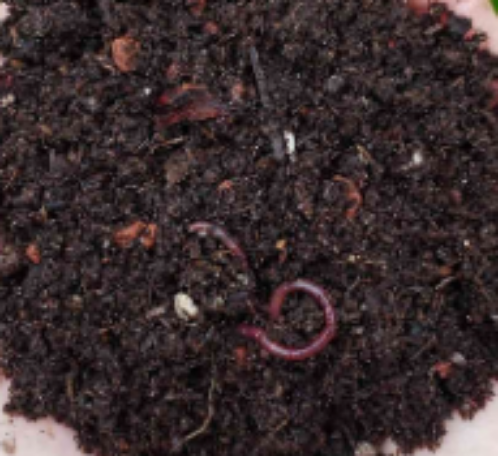
Compost
Additional Information
1. Compost is made from a variety of organic materials, such as food scraps, leaves, grass clippings, and animal manure, that have been allowed to decompose and break down naturally over time.
2. The composting process breaks down the organic material into a nutrient-rich soil amendment that can be used to improve soil fertility, retain moisture, and promote healthy plant growth.
3. Composting is a sustainable way to enhance soil nutrients because it helps to recycle organic materials that might otherwise be sent to landfills, and it reduces the need for synthetic fertilizers, which can be harmful to the environment.
4. Compost can be used in a variety of ways, such as adding it to garden beds or mixing it into potting soil, to improve soil fertility and support healthy plant growth.
The programme related with training of rural youths is:
-
PMAY-G
-
TRYSEM
-
DPAP
-
DAY-NRLM
🔑Key Points
Training of Rural Youth for Self-Employment has been an ambitious project initiated by the Government of India to provide technical and vocational training to the rural youth so that they are able to start their own small-scale business.
Additional Information
TRYSEM stands for Training to Rural Youth for Self Employment.
TRYSEM is a centrally sponsored program that was started on 15th August 1979.
The main objective of this scheme was to provide technical and business expertise to rural BPL people who are in the 18-35 age group.
TRYSEM enables rural youngsters to take up self-employment opportunities in larger fields of agriculture and various allied activities.
However, during the 9th Five Year Plan, this scheme was merged in the mega initiative of Swarn Jayanti Gram Swarojgar Yojna.
Optimizing the use of farm resources on an individual farm level is referred as:
-
Macroeconomics
-
Farm management
-
Production economics
-
Agricultural marketing
Additional Information
Farm management is that branch of agricultural economics which deals with the business principles end practices of farming with the object of obtaining the maximum possible return from the farm as a unit under a sound farming program.
Farm Management may be called a science of decision-making.
Therefore it can be defined as a science which deals with judicious decisions of the use of scarce farm resources, having alternative uses to obtain maximum profit and family satisfaction on a continuous basis from the farm as a whole.
Objective: The main object of farm management is to obtain the maximum net profit from the various enterprises on a farm.
The main aim is to get maximum net returns from the farm as a whole. This leads to success.
This object constitutes the selection, combination, and execution of enterprises consistent with a sound agricultural policy.
___________ variety of mango is suitable for high density planting.
-
Chausa
-
Amrapali
-
Himsagar
-
Dasheri
🔑Key Points
The 'Amrapali' mango is a named mango cultivar introduced in 1971.
It was developed as a hybrid variety of 'Dasheri' and 'Neelum' by Dr. Pijush Kanti Majumdar at the Indian Agriculture Research Institute in Delhi.
The tree is a dwarf, regular-bearer, with clusters of small-sized fruits.
Amrapali variety can be used in a High-Density Planting system.
Which of the following is NOT matched correctly?
-
Rabi crop – Wheat
-
Kharif crop – Rice
-
Summer crop – Potato
-
Zaid crop - Green gram
🔑Key Points
Potato is not typically considered a summer crop. Instead, it is commonly grown as a winter or spring crop in many parts of the world.
The correct pairing for summer crops would include crops such as watermelon, muskmelon, cucumber, bottle gourd, and bitter gourd, among others.
Additional Information
1) Rabi crop – Wheat: Rabi crops are typically sown in the winter months, between October and December, and harvested in the spring. Wheat is one of the most important rabi crops in India.
2) Kharif crop – Rice: Kharif crops are sown in the rainy season, typically between June and September, and harvested in the fall. Rice is one of the most important kharif crops in India.
4) Zaid crop - Green gram: Zaid crops are typically grown in the summer season, between March and June, and include crops such as green gram, cucumber, muskmelon, watermelon, and pumpkin, among others.
Hot water treatment of wheat and barley seed is useful for control of _________.
-
rust
-
cover smut
-
loose smut
-
powdery mildew
🔑Key Points
Disease characteristics: Loose smut is a fungal disease that affects wheat and barley crops. The causal organism for this disease is Ustilago tritici in wheat and Ustilago nuda in barley. It primarily targets the inflorescence of the plants, turning the heads into a mass of black, powdery spores.
Hot water treatment: Hot water treatment is a technique used to control loose smut by soaking the seeds in hot water for a specific time and temperature. This treatment kills the fungal spores present inside the seeds, preventing the spread of the disease to the growing plants. The general practice is to immerse the seeds in water heated to 50°C (122°F) for 10 minutes, followed by a rapid cooling in cold water.
Effectiveness: Hot water treatment is considered effective in controlling loose smut. It can reduce the incidence of the disease by up to 95%. This method is especially useful for organic farming systems, where the use of chemical fungicides may be limited or prohibited.
IPS-147-1 grown in Madhya Pradesh is a variety of ____________.
-
kodo
-
bajra
-
ragi
-
sanwa
🔑Key Points
1. Kodo millet (Paspalum scrobiculatum) is a small-seeded cereal crop grown in various parts of India, particularly in the states of Madhya Pradesh, Maharashtra, Gujarat, and Chhattisgarh. It is a hardy and drought-tolerant crop that can adapt to diverse soil types and climatic conditions.
2. Variety IPS-147-1: IPS-147-1 is a variety of kodo millet developed for cultivation in Madhya Pradesh. This variety has been bred to exhibit improved agronomic traits, such as higher grain yield, better resistance to pests and diseases, and enhanced nutritional quality.
3. Adaptability: Kodo millet is well-suited to the climate and soil conditions in Madhya Pradesh, as it can tolerate high temperatures and erratic rainfall patterns. It can grow in a wide range of soil types, including sandy, loamy, and clay soils.
The National Rural Health Mission (NRHM) was launched by the Hon'ble Prime Minister in the year ___________.
-
2010
-
2005
-
2000
-
2003
🔑Key Points:
NRHM launched by Hon’ble prime minister on 12/4/2005.
Aimed to ensure affordable, quality health care to the poorest house holds in remotest areas.
Special focus on 18 low performing states which have weak public health indicators and weak infrastructure.
Punjab is among the nine high performing states-Punjab, Haryana, Gujrat, Maharashtra, Karnataka, Kerala, Tamil, Nadu, Andhra Pradesh, West Bengal.
NRHM objectives:
Universalized access to quality health care especially to rural poor with focus on women and children.
Reduced infant mortality rate and Maternal Mortality Rate.
Ensuring population stabilization and gender equality.
Prevention and control of communicable and non-communicable disease.
Access to integrated comprehensive primary health care.
Mainstream AYUSH- integration of AYUSH with mainstream health institutions.
Emphasis on potable drinking water, hygiene, sanitation and nutrition.
Slash and Burn Agriculture means:
-
Jhum cultivation
-
Potato cultivation
-
Rainfed agriculture
-
Rice cultivation
4. 🔑Key Points
Shifting cultivation, also known as slash-and-burn agriculture (Jhum cultivation), is the process of growing crops by first clearing the land of trees and vegetation and burning them thereafter.
The burnt soil contains potash which increases the nutrient content of the soil.
This burnt land is left for 5-8 years to give the soil the time to regain its fertility.
Primitive subsistence agriculture is also known as slash-and-burn agriculture or shifting cultivation.
Subsistence Agriculture can be classified into two types - Primitive subsistence farming and Intensive subsistence farming.
Additional Information
- North-eastern states: Jhumming
- Manipur: Pamlou
- Bastar district of Chhattisgarh: Dipa
- Madhya Pradesh: Bewar or Dahiya
- Andhra Pradesh: Podu or Penda
- Odisha: Pama Dabi or Koman or Bringa
Western Ghats: Kumari
South-eastern Rajasthan: Valre or Waltre
Organization __________ looks after the credit needs of agriculture and rural development in India.
-
SBI
-
NABARD
-
ICAR
-
FCI
🔑Key Points
NABARD (National Bank for Agriculture and Rural Development)
NABARD was established on July 12, 1982, as an apex body for the integration of rural India.
The objective of promoting the rural economy by promoting agriculture or the rural non-agricultural sector.
NABARD looks after the credit needs of agriculture and rural development in India
2022 marks the completion of 40 years since NABARD was established.
Functions of NABARD
o direct lending infrastructure to food parks, food processing plants, warehouses, cold storage, cold chain infrastructure, market unions, and cooperative banks.
o contributes to the development of the agricultural sector.
o NABARD provides direct credit by raising various funds.
o Land planning for the purpose of financing agriculture, small-scale industries, cottage industries, village industries, handicrafts, and rural economy.
o Development of rural credit system, monitoring, guidance, and training.
o NABARD inspects State Co-operative Banks, District Central Co-operative Banks, and Regional Rural Banks.
There are _____________ Agro-climatic zones in Madhya Pradesh.
-
11
-
15
-
18
-
8
🔑Key Points
Madhya Pradesh, the second largest state of the country is located in central India, comprising 11 Agro – Climatic zones with diverse soil and climatic condition, which helps to support the cultivation of a wide range of crops with diversified cropping patterns.
The State is divided into 11 agro-climatic regions and 5 crop zones.
Each zone has its unique set of natural resources and constraints.
o The eastern part of the State is characterized by its rice-based cropping systems, light alfisols which have low water holding capacity and are prone to erosion mainly water erosion because of higher and often high-intensity rainfall.
o Rainfall in this part of the state is about 1500 mm mainly received during the southwest monsoon season.
o The central and western parts of the state follow a soybean-based cropping system whereas pulses and oilseeds occupy an important place in the region.
Additional Information
Agro-climatic zones of Madhya Pradesh
Chhattisgarh Plains.
Northern Hill Region of Chhattisgarh.
Kymore Plateau & Satpura Hills.
Central Narmada Valley.
Vindhya Plateau.
Gird Region.
Bundelkhand.
Satpura Plateau.
Malwa Plateau.
Nimar Plains.
Jhabua Hills.
SGSY is a program for the promotion of:
-
Infrastructure development
-
Wage employment
-
Self-employment
-
Community development
🔑Key Points
Swarnajayanthi Gram Swarozgar Yojana
o It was launched by the Ministry of Rural Development, Government of India.
o SGSY is a holistic Scheme covering all aspects of self-employment such as the organization of the poor into Self Help Groups, training, credit, technology, infrastructure, and marketing.
o The scheme is funded by the financial institutions, Panchayat Raj Institutions, District Rural Development Agencies (DRDAs).
o The scheme aims at establishing a large number of micro-enterprises in rural areas.
o The objective of SGSY is to bring assisted family above the poverty line by providing them income-generating assets through a mix of bank credit and Government subsidy.
Swarnjayanti Gram Swarozgar Yojana" was made by restructuring the existing schemes namely:
o Integrated Rural Development Programme (IRDP).
o Training of Rural Youth for Self Employment (TRYSEM).
o Development of Women & Children in Rural Areas (DWCRA).
o Supply of Improved Toolkits to Rural Artisans (SITRA).
o Ganga Kalyan Yojana (GKY).
o Million Wells Scheme (MWS).
Which of the following amino acid is the precursor for auxin biosynthesis?
-
Tryptophan
-
Glutamine
-
Arginine
-
Histidine
🔑Key Points 1. Auxin overview: Auxins are a group of plant hormones that play crucial roles in plant growth and development, including cell elongation, apical dominance, and tropisms. Indole-3-acetic acid (IAA) is the most common and well-studied auxin.
2. Tryptophan as a precursor: Tryptophan is an essential amino acid that serves as the primary precursor for auxin biosynthesis in plants. The conversion of tryptophan to IAA occurs through multiple pathways, including the tryptophan aminotransferase of Arabidopsis (TAA) family and the YUCCA flavin monooxygenase family.
3. Biosynthesis pathways: The main biosynthesis pathways for auxin production from tryptophan are the indole-3-pyruvic acid (IPA) pathway, the indole-3-acetamide (IAM) pathway, and the tryptamine (TAM) pathway. Among these, the IPA pathway is the most widely studied and considered the primary route for IAA biosynthesis in plants.
4. Regulation of auxin levels: The biosynthesis of auxin from tryptophan is tightly regulated in plants to maintain optimal hormone levels for proper growth and development. The regulation occurs at multiple levels, including transcriptional, post-transcriptional, and post-translational control of enzymes involved in auxin biosynthesis.
5. Importance of auxin biosynthesis: Understanding the process of auxin biosynthesis and the role of tryptophan as its precursor is essential for researchers and agriculturalists to manipulate plant growth and development, improve crop yields, and develop new plant varieties with desirable traits.
Pusa Ratna is a variety of __________
-
bajra
-
mung bean
-
wheat
-
rice
🔑Key Points 1. Pusa Ratna overview: Pusa Ratna is a high-yielding variety of mung bean (Vigna radiata), also known as green gram or moong. It has been developed by the Indian Agricultural Research Institute (IARI), New Delhi, to improve the productivity and quality of mung bean crops in India.
2. Agronomic traits: Pusa Ratna is known for its improved agronomic traits, such as higher yield potential, early maturity, and resistance to pests and diseases. This variety has been bred to provide farmers with a more resilient and productive option for mung bean cultivation.
3. Adaptability: Pusa Ratna has been developed to thrive in diverse agro-climatic conditions, making it suitable for cultivation across various regions in India. It is well-adapted to both irrigated and rainfed environments.
Why Black soil is ideal for cotton cultivation?
-
It is found on plateau regions
-
It is sandy soil
-
It can retain moisture
-
It is black in colour
🔑Key Points
Black soil is favorable for the cultivation of cotton.
Because of this character of slow absorption and loss of moisture, the black soil retains the moisture for a very long time, which helps the crops, especially, the rain-fed ones, to sustain even during the dry season.
Black Soil
o These soils are also known as the ‘Regur Soil’ or the ‘Black Cotton Soil’.
o The black soils are generally clayey, deep, and impermeable.
o They swell and become sticky when wet and shrink when dried.
o So, during the dry season, this soil develops wide cracks. Thus, there occurs a kind of ‘self-plowing’.
o The black soils are rich in lime, iron, magnesia, and alumina. They also contain potash.
o They lack phosphorous, nitrogen, and organic matter.
o The color of the soil ranges from deep black to grey.
o Along with cotton, the soil is suitable for the cultivation of crops like groundnut, tobacco, chilies, and Jowar.
___________ is the collection and storage of water for subsequent use in dry period.
-
Water harvesting
-
Crop logging
-
Water logging
-
Water shed
🔑Key Points
Water harvesting refers to the collection and storage of water for subsequent use during periods of water scarcity or drought. It involves capturing and storing rainwater, surface runoff, or other sources of water, and utilizing it for various purposes, such as irrigation, domestic use, or recharging groundwater.
Here are some key points about water harvesting:
1. Water harvesting techniques can vary depending on the location, climate, and available resources. Common methods include constructing storage tanks, ponds, or reservoirs to capture rainwater or diverting runoff into storage facilities.
2. Water harvesting helps to conserve water and make efficient use of available resources. By capturing and storing water, it reduces dependence on external water sources and ensures a more reliable water supply during dry periods.
3. Water harvesting can be implemented at various scales, from individual households or farms to community-level projects and large-scale watershed management programs.
Additional Information
2) Crop logging: Crop logging is not a recognized term in the context of water management or agriculture. It does not refer to a specific practice or technique.
3) Water logging: Water logging refers to the excessive accumulation of water in the soil, which hinders root growth and oxygen availability to plants. It occurs when the soil is unable to drain or when water table rises above the root zone.
4) Watershed: A watershed, also known as a drainage basin or catchment area, is an area of land where all the water drains into a common water body, such as a river, lake, or ocean. It is defined by the topography and contours of the land and plays a significant role in managing water resources and hydrological processes. Watershed management involves coordinating land and water management practices to sustainably manage water resources within a specific geographic area.
Plant loses water in transpiration up to the extent of _____________.
-
80%
-
85%
-
70%
-
99%
🔑Key Points Plants lose water through transpiration, which is the process of water movement through the plant from the roots to the leaves, and then evaporating from the leaf surface into the surrounding air. Transpiration is an essential process for plants as it helps to transport water and nutrients from the roots to the rest of the plant, and also aids in cooling the plant.
1) Plants can lose a significant amount of water through transpiration. It is estimated that up to 99% of the water absorbed by plant roots is eventually lost through transpiration.
2) The amount of water loss through transpiration varies depending on several factors such as environmental conditions, plant species, leaf surface area, and availability of water in the soil.
3) Environmental factors such as temperature, humidity, wind speed, and sunlight intensity can influence the rate of transpiration. Higher temperatures, low humidity, and windy conditions tend to increase the rate of water loss through transpiration.
4) Transpiration serves multiple purposes in plants. It helps to transport water and nutrients from the roots to the leaves, maintain the turgidity of plant cells, facilitate the movement of sugars and other substances within the plant, and regulate temperature through evaporative cooling.
5) Excessive water loss through transpiration can lead to plant stress, wilting, and reduced growth. However, transpiration is a necessary process for plants, and it helps to maintain proper water balance and nutrient uptake.
The pH of acid soil can be raised by adding _____________.
-
lime
-
sand
-
urea
-
potassium sulphate
🔑Key Points Adding lime is a common method to raise the pH of acid soil. Lime, typically in the form of agricultural lime or limestone, is rich in calcium carbonate (CaCO3) or calcium hydroxide (Ca(OH)2). When applied to acid soil, lime reacts with the soil components to neutralize acidity and increase the pH.
1. Lime contains calcium, which helps to neutralize the excess acidity in the soil. It reacts with hydrogen ions (H+) in the soil, reducing the concentration of H+ ions and increasing the pH.
2. The reaction between lime and soil acidity is known as soil buffering. The calcium ions in lime replace the hydrogen ions in the soil, reducing the soil's acidity.
3. Lime not only increases the soil pH but also improves soil structure, nutrient availability, and microbial activity in the soil.
4. The amount of lime required to raise the pH depends on the initial pH of the soil and the desired pH level. Soil testing is essential to determine the appropriate application rate of lime.
The Kisan Credit Card (KCC) Scheme was launched in the year __________.
-
1988
-
1971
-
1998
-
1956
🔑Key Points
The Kisan Credit Card (KCC) scheme is a credit scheme introduced in August 1998 by Indian banks.
1) Validity: five years (with an option to extend for up to three more years).
2) Credit Type:
A. Cash Credit
B. Term Credit (for allied activities such as pump sets, land development, plantation, drip irrigation)
3) This model scheme was prepared by the National Bank for Agriculture and Rural Development (NABARD) on the recommendations of R.V.GUPTA to provide term loans and agricultural needs.
4) Objective: To meet the comprehensive credit requirements of the agriculture sector by giving financial support to farmers.
5) Participating institutions: All commercial banks, Regional Rural Banks, and state co-operative banks.
6) The scheme has short-term credit limits for crops and term loans.
7) KCC credit holders are covered under personal accident insurance up to Rs. 50000 for death and permanent disability, and up to Rs. 25000 for another risk.
8) The premium is borne by both the bank and borrower in a 2: 1 ratio.
Leaf rust of wheat is caused by ____________ fungus.
-
Puccinia
-
Tilletia
-
Pseudomonas
-
Ustilago
Explanation:
The rust of wheat is caused by the fungus - Puccinia
Puccinia is a heteroecious fungus i.e it requires two different hosts for completion of its life cycle.
o 1. Wheat,
o 2. Barberry
Puccinia is known as the rust fungi
Three different species of Puccinia develop rust in wheat
o Puccinia graminis - Black rust or Stem rust
o Puccinia recondita - Brown rust or leaf rust
o Puccinia striiformis - Yellow rust or stripe rust
Important Points
The life cycle of Puccinia is called the rust cycle, it was discovered by Prof. K.C. Mehta
Additional Information
Claviceps purpurea: Ergot of Rye
Helminthosporium oryzae: Leaf spot of rice
Alternaria solani: Early blight of potato
Which part of root absorbs water and minerals?
-
Root hairs
-
Root cap
-
Epidermis
-
Endodermis
🔑Key Points
Roots are underground structures.
It helps in water transport.
The plant absorbs water and minerals from the soil through root hairs and transports them through Xylem.
Xylem conducts water and minerals to stem and leaves.
Xylem consists of tracheids, fibres, parenchyma and vessels.
Only the parenchyma cell is living and stores food and tannins.
Vessels, tracheids and fibres are dead and help in the conduction of water.
Additional Information
Pith:
It is a vascular tissue found in the stem and roots.
It is present in the centre.
It is formed of parenchymatous cells.
It helps in the storage of food.
Cortex:
It is ground tissue.
It is present in the epidermis and vascular bundles.
It is made of parenchymatous cells.
It helps in providing support to the plant.
Phloem:
It is a vascular tissue.
It consists of sieve tubes, parenchyma, fibres and companion cell.
Only fibres are dead.
Sieve tubes, parenchyma and companion cells are living cells.
It helps in the transport of sucrose.
___________ is a widely used mitotic inhibitor for the induction of polyploidy in plants.
-
Ozone
-
Ethylene
-
Colchicine
-
IAA
1. 🔑Key Points
Colchicine is an alkaloid from the seeds of Colchicum autumnale
It is used to induce polyploidy in plants
It prevents microtubule formation during cell division
It suppresses the mitotic spindle fiber formation
So, the sister chromatids do not segregate during anaphase
Results in doubling of chromosomes number in progeny
Example
Raphanus sativus (2n = 18) × Brassica oleracea (2n = 18) = Raphano brassica (2n = 18)
Raphano brassica is sterile which after colchicine application becomes fertile with 4n = 36
Important Points
Polyploid -
More than the normal two sets of chromosomes
Poly means 'many' and ploidy means 'haploid set of chromosomes'
Cell having three or more sets of chromosomes
Two types:
1. Autopolyploidy - repetition of the same set of chromosomes, e.g., BBB
2. Allopolyploidy - increase in chromosomes number, from two different species, e.g., AABB
Additional InformationPEG (polyethylene glycol) -
It is used in plant tissue culture for fusion of protoplast of two different cells
It is also used to induce osmotic stress in tissue culture-raised plants
Sodium Alginate -
It is used in the formation of synthetic seeds
It is used for encapsulation of somatic plant embryos that are used as seeds
Auxin -
It is a plant hormone that regulates apical dominance, cell division, elongation and differentiation
Auxin is used in tissue culture to regulate rooting and shooting of plants
Which of the following technique reduces soil erosion, evaporation, kinetic energy impact of rain drops?
-
Mulching
-
Multiple cropping
-
Strip cropping
-
Jhum cultivation
🔑Key Points:
Mulching is a technique that can effectively reduce soil erosion, evaporation, and the kinetic energy impact of raindrops on the soil surface. It involves covering the soil with a layer of organic or inorganic material, such as straw, wood chips, plastic sheets, or rocks.
1) Soil erosion reduction: Mulch acts as a protective layer that shields the soil surface from the impact of raindrops, preventing the detachment and displacement of soil particles. It helps to maintain soil structure and prevent soil erosion caused by water runoff.
2) Evaporation reduction: Mulch acts as a barrier between the soil and the atmosphere, reducing direct exposure of the soil to air and sunlight. This helps to conserve soil moisture by minimizing water evaporation from the soil surface.
3) Kinetic energy impact reduction: The layer of mulch absorbs and disperses the kinetic energy of raindrops, reducing their impact on the soil surface. This prevents soil compaction and the formation of surface crusting, which can impede water infiltration and seedling emergence.
4) Mulching also helps to regulate soil temperature, suppress weed growth, and provide a favorable environment for beneficial soil organisms.
On the other hand, the options 2) Multiple cropping, 3) Strip cropping, and 4) Jhum cultivation do not directly address soil erosion, evaporation, or kinetic energy impact reduction like mulching does.
- Multiple cropping refers to the practice of growing two or more crops in the same field during a single growing season. While multiple cropping may have various benefits such as increased yield and efficient resource utilization, it does not specifically target soil erosion, evaporation, or raindrop impact reduction.
- Strip cropping involves the planting of different crops in alternating strips or bands across a field. This technique can help reduce erosion by creating barriers to water runoff, but it does not directly address evaporation or kinetic energy impact reduction.
- Jhum cultivation, also known as slash-and-burn agriculture, is a traditional farming method involving the clearing of land by burning vegetation and then planting crops. This practice is associated with higher risks of soil erosion due to the removal of vegetation cover and subsequent exposure of the soil.
The common character of Indian Agriculture is ___________ economy.
-
Land surplus - Labour surplus
-
Land surplus - Labour scare
-
Land scare - Labour surplus
-
Land scare - Labour scare
🔑Key Points
Indian agriculture is characterized by limited availability of arable land (land scarcity) in relation to the population, while there is a surplus of available labor in the agricultural sector.
1) Land scarcity: India has a large population, and the availability of arable land per person is relatively limited. The demand for land for various purposes, such as agriculture, housing, infrastructure, and industrialization, often exceeds the available supply.
2) Labour surplus: Agriculture continues to be a labor-intensive sector in India, with a significant proportion of the population engaged in agricultural activities. The agricultural workforce exceeds the demand for labor in the sector, leading to a surplus of available labor.
3) The combination of land scarcity and labor surplus has implications for agricultural productivity, income distribution, and rural livelihoods in India. It highlights the need for efficient utilization of available land resources and the provision of employment opportunities for the surplus labor force.
4) The land scarcity and labor surplus in Indian agriculture have led to various challenges, such as small landholdings, fragmented farming practices, low productivity, inadequate mechanization, and a dependence on manual labor.
For __________ areas terracing is an affective method of soil conservation.
-
hilly
-
plain
-
riverine
-
desert
🔑Key Points
Terracing is an effective method of soil conservation, particularly in hilly areas. Terracing involves constructing leveled platforms or steps on sloping land to create flat surfaces that help reduce soil erosion and water runoff.
1) Sloping terrain: Hilly areas often have steep slopes, which make them prone to soil erosion due to the rapid flow of water down the slopes. Terracing helps to slow down the water flow, reducing erosion and allowing water to infiltrate the soil.
2) Soil retention: By constructing terraces, soil erosion is minimized as the leveled platforms hold the soil in place, preventing it from being washed away by heavy rainfall or runoff. This helps to maintain soil fertility and prevent the loss of topsoil.
3) Water management: Terraces act as barriers or contour lines that trap water as it flows down the slope, allowing it to be evenly distributed across the land. This helps to improve water availability for crops and reduces the risk of soil saturation or waterlogging.
4) Crop cultivation: The flat surfaces created by terraces provide suitable areas for crop cultivation on hilly terrains. Terracing allows farmers to utilize the land effectively, prevent soil erosion, and increase agricultural productivity in challenging terrains.
_________ is the father of the peasant (farmer) movement and also the founder of Kisan Sabha.
-
Swami Vivekananda
-
Mahatma Gandhi
-
Swami Sahajanand Saraswati
-
Sardar Vallabhai Patel
🔑Key Points
The Kisan Sabha Movement in Bihar was started under the leadership of Swami Sahajanand Saraswati.
It was formed in 1929.
The aim was to mobilize peasants' grievances against Zamindar's atrocities of occupancy rights.
This movement thus sparked farmers' movements in India.
pF value is a measure of ___________.
-
soil alkalinity
-
soil temperature
-
soil aeration
-
soil moisture
KeyPoints
pF value is a measure of soil moisture. It is a logarithmic scale used to express the suction pressure or energy status of water in the soil. The pF value indicates the soil moisture content or the force required to extract water from the soil. Here are some key points about the pF value and its relationship with soil moisture:
1) Soil moisture measurement: The pF value is commonly used to determine the soil moisture content at various levels in the soil profile. It provides information about the availability of water to plants and helps in understanding the water-holding capacity of the soil.
2) Logarithmic scale: The pF value is a logarithmic scale that ranges from 0 to 8, with lower values indicating higher soil moisture content and higher values indicating lower moisture content. For example, pF 0 corresponds to saturated soil, while pF 8 corresponds to extremely dry conditions.
Why bagging is done?
-
To avoid cross-pollination
-
To avoid self-pollination
-
To prevent contamination from foreign pollens
-
To get desired pollination
/ KeyPoints
Bagging is a technique used in plant breeding and horticulture to prevent the contamination of flowers or fruits by foreign pollens. It involves covering the flowers or fruits with bags made of suitable material to create a physical barrier that prevents the entry of unwanted pollen. Here are some key points about why bagging is done and its purpose:
1) Preventing cross-pollination: Bagging helps to avoid cross-pollination, which occurs when pollen from one plant is transferred to the stigma of another plant of the same species. This is particularly important in situations where controlled pollination is desired to maintain genetic purity or to breed new varieties.
2) Preventing self-pollination: In some cases, bagging is also used to prevent self-pollination, which occurs when the pollen from a plant fertilizes its own stigma. This is done when the aim is to facilitate cross-pollination and avoid self-fertilization, which may result in inbreeding depression or hinder the creation of new genetic variations.
3) Preventing contamination: The primary purpose of bagging is to prevent contamination from foreign pollens. By covering the flowers or fruits, bagging ensures that only the desired pollen, typically from a specific plant or a selected parent, is used for pollination. This helps in maintaining genetic purity and controlling the breeding process.
Organic soils are deficient in ___________.
-
nitrogen
-
iron
-
copper
-
organic carbon
KeyPoints-
Copper deficiency can occur in organic soils.
- Organic soils, particularly those formed in peatlands or wetland environments, can have naturally low copper content.
- Copper ions in organic soils can become immobilized or bound by organic matter or other soil constituents, making them less available for plant uptake.
- Organic matter in the soil can form complexes with copper ions, reducing their accessibility to plants.
- Many organic soils have naturally acidic pH levels, which can affect copper availability.
- Acidic conditions can increase the solubility of elements like aluminum and iron, which may compete with copper for binding sites in the soil, limiting copper availability.
- The slow decomposition of organic matter in organic soils can limit nutrient availability, including copper.
- Microbial activity, which plays a vital role in nutrient release from organic matter, may be limited in organic soils, affecting copper availability.
- Copper deficiency in plants can lead to stunted growth, chlorosis (yellowing of leaves), and reduced fruit production.
Which of the following is the important staple food crop of India?
-
Sorghum
-
Rice
-
Wheat
-
Maize
🔑Key Points
Rice is an important staple food crop of India. It is widely grown and consumed throughout the country, particularly in regions with favorable climatic conditions and access to water resources.
It serves as a major source of calories and carbohydrates in the Indian diet.
Rice has deep cultural and traditional significance in various regions of India.
India is one of the world's largest producers and consumers of rice.
Which one of the following is the aim of Integrated Pest Management?
-
Strengthening the host
-
Keeping pest populations below injurious levels
-
Increasing natural enemies of the pest
-
Billing the pests
🔑Key Points:
Integrated Pest Management (IPM) is a pest management strategy that uses a combination of methods to reduce pest populations to levels that do not cause economic or environmental damage.
IPM typically includes a variety of methods, such as:
1. Cultural controls: Practices that change the environment to make it less favorable for pests, such as crop rotation or sanitation.
2. Biological controls: The use of natural enemies, such as predators and parasites, to control pests.
3. Chemical controls: The use of pesticides to kill pests.
IPM aims to keep pest populations below levels that cause economic or environmental damage. This is done by using a variety of methods that are effective in controlling pests, but that also minimize the use of pesticides.
Which of the following is the Fruit Ripening hormone?
-
Ethylene
-
Gibberellins
-
Abscisic acid
-
Cytokinin
🔑Key Points
Ethylene, also known as the "fruit-ripening hormone," is a gas. Throughout its lifecycle, every fruit produces a certain amount of ethylene.
When fruit begins to ripen, however, ethylene levels rise dramatically.
Fruits can be divided into two classes based on how they react to ethylene during maturation.
The climacteric fruits are the first category, with ripening followed by an ethylene explosion.
The non-climacteric fruits are those whose ethylene production does not increase as the fruit ripens.
Important Points
Auxins encourage stem elongation while inhibiting lateral bud development (maintains apical dominance). The stem, buds, and root tips all contain them.
Kinetin is a type of cytokine. Cytokinins are substances that help plants grow. Kinetin is a substance that is used in the production of pharmaceuticals.
Helicoverpa armigera is an important pest of ___________.
-
gram/bengal gram
-
rice
-
wheat
-
maize
🔑Key Points
Helicoverpa armigera is a polyphagous pest, meaning it can eat a wide variety of plants.
It is an important pest of many crops, including cotton, soybean, and vegetables. However, it is particularly damaging to gram/bengal gram.
The larvae of H. armigera can damage gram/bengal gram by feeding on the leaves, flowers, and pods.
This can lead to yield losses of up to 80%.
The process of entry of water into soil from the earth's surface is referred as:
-
Leaching
-
Percolation
-
Infiltration
-
Seepage
2. Explanation:
Abstraction from precipitation:
In the rainfall reaching the surface of a catchment the major abstraction is through infiltration process. However, two other processes, though small in magnitude, reduce the water volume available for runoff and thus act as abstractions. These are the interception process and the depression storage, and together they are called initial loss.
Infiltration:
The process of water entering the soil surface is known as infiltration.
The downward entry of water into the immediate surface of soil or other materials is called infiltration process.
Water through irrigation/rainfall infiltrates into the soil surface and is stored for use by plants.
Additional InformationEvaporation:
Evaporation is the primary process of water transfer in the hydrological cycle.
It is the physical process of vaporization by which liquid is transformed to a gaseous stage from its free surface through the absorption of heat energy.
Interception:
A part of precipitation is intercepted by the vegetation and subsequently evaporated before it reaches the ground.
The precipitation may be intercepted in one of the following ways:
o The intercepted water retained on the vegetation as surface storage and evaporated to the atmosphere;
o Water falling from the plant leaf; and
o The rainwater splashing through leaves, branches, stem and reaching the ground surface known as stem flow.
Evapotranspiration:
Evapotranspiration also known as consumptive use is the sum of evaporation from cropped and fallow area, water surfaces, plant leaves and transpiration through the plant leaves into atmosphere.
Water falling on plant system through rainfall, dew, sprinkler method of irrigation and evaporating is also a part of consumptive use.
The estimation of evapotranspiration is crucial for a command area/watershed as it is one of most important components of water balance equation used for water budgeting.
The M.P. State Agricultural Marketing Board (Mandi Board) has come into existence in the year _____________.
-
1983
-
1973
-
1980
-
1970
🔑Key Points
For the regular and all-round development of agricultural production, on the basis of the recommendation of the National Agriculture Commission, a provision has been made for the formation of Madhya Pradesh State Agricultural Marketing Board in the year 1973 in the Mandi Act.
o Mandi Board has seven regional offices in Madhya Pradesh.
o These offices are at Bhopal, Indore, Ujjain, Gwalior, Sagar, Jabalpur and Rewa.
o The State Government of Madhya Pradesh established the Mandi Board to keep the interests of the productive farmers paramount in the marketing of agricultural products.
Germplasm theory was proposed by ___________.
-
Darwin
-
Phillips
-
Weismann
-
Mendel
KeyPoints
1. Proposer: The Germplasm Theory was proposed by August Weismann, a German biologist, in the late 19th century.
2. Two Cell Types: This theory states that organisms are made of germ cells, which are involved in reproduction and carry hereditary information, and somatic cells, which form the rest of the body.
3. Inheritance: According to the Germplasm Theory, only germ cells contribute genetic information to offspring, hence changes in somatic cells do not affect the traits of the next generation.
4. Contradicts Lamarck's Theory: Weismann's theory contradicts Jean-Baptiste Lamarck's idea of inheritance of acquired characteristics, providing empirical evidence against it through experiments.
5. Impact on Biology: The Germplasm Theory influenced modern genetics and evolutionary biology, emphasizing genes' role in inheritance and forming the basis for the modern synthesis of evolutionary theory.
Madhya Pradesh ranks first in India in production of ____________.
-
soybean
-
rice
-
maize
-
wheat
🔑Key Points
1. Madhya Pradesh is known as the Soybean State of India and ranks first in the country in the production of soybean.
2. The state has earned the highest award "Krishi Karman" given by the Government of India in the field of agriculture for six consecutive years.
3. Madhya Pradesh also ranks first in the country in the production of Gram, Urad, Tur, Masoor, and Linseed.
In India, Organic cultivation of vegetables will get ___________ amount of loan.
-
5000 per hac
-
20000 per hac
-
10000 per hac
-
50000 per hac
KeyPoints
The Government of India supports organic farming and provides financial assistance to farmers.
In this case, for organic cultivation of vegetables, the hypothetical loan amount is 10000 per hectare.
The actual loan amount can vary based on various factors such as the type of crop, the location of the farm, the farmer's credit history, and the specific policies of the lending institution.
Additional InformationOrganic farming is a farming method that involves growing and nurturing crops without the use of synthetic based fertilizers and pesticides. Also, the government encourages organic farming because of its benefits to the soil and the environment
Which of the following is the largest fruit producing state in India, in 2020?
-
Gujarat
-
Madhya Pradesh
-
Andhra Pradesh
-
Punjab
🔑Key Points
- In 2020, Andhra Pradesh was the largest fruit producing state in India.
- Andhra Pradesh has favorable climatic conditions and fertile soil, which are conducive for fruit cultivation.
- The state is known for producing a wide variety of fruits, including mangoes, bananas, guavas, papayas, and citrus fruits.
- The agriculture sector in Andhra Pradesh plays a significant role in the state's economy, with fruit production being a prominent contributor.
Additional Information
- Gujarat, Madhya Pradesh, and Punjab are also important fruit-producing states in India, but they were not the largest fruit producing state in 2020.
- Gujarat is known for its mango and sapota (chikoo) production.
- Madhya Pradesh is recognized for growing fruits like guava, orange, and pomegranate.
- Punjab is known for its citrus fruits, particularly kinnow (a hybrid of mandarin orange).
- Fruit production can vary from year to year based on factors such as weather conditions, agricultural practices, and market demand.
India is the largest producer as well as consumer of ____________ in the world.
-
wheat
-
pulses
-
rice
-
sugarcane
3. . 🔑Key Points
Pulses are the major source of protein for a vegetarian diet.
India is the largest producer of pulses in the world.
It is the largest consumer of pulses as well.
Major pulses grown in India are arhar, urad, moong, masur, peas and gram.
Major pulses-producing states in India are Madhya Pradesh, Uttar Pradesh, Rajasthan, Maharashtra and Karnataka.
Pulses need less moisture and survive in dry seasons.
All these crops except arhar help in restoring soil fertility by fixing nitrogen from the air.
Thus, we can say that India is the largest producer as well as the consumer of pulses in the world.
The causal organism of powdery mildew is:
-
Fungus
-
Virus
-
Nematode
-
Bacterium
4. 🔑Key Points
Odium mangiferae causes powdery mildew in mango
The characteristic symptom of the disease is the white superficial powdery fungal growth on leaves, stalks of panicles, flowers and young fruits.
The affected flowers and fruits drop prematurely, reducing the crop load considerably or might even prevent the fruit set.
Often these patches coalesce and occupy larger areas turning into purplish-brown
Important Points
Diseases and causal organisms
Powdery mildew of mango: Odium mangiferae
Stem end rot: Diplodia natalensis
Red rust: Caphalerus virescens
Anthracnose: Colletotrichum gleosporioides
Sooty mould: Capnodium mangiferarae
Cabbage is a ___________ vegetable.
-
winter
-
biennial
-
perennial
-
summer
🔑Key Points
- Cabbage is a winter vegetable.
- It is typically grown and harvested during the winter season.
- Cabbage plants are tolerant of cold temperatures and can withstand frost.
- The cool weather conditions during winter are favorable for the growth and development of cabbage.
- Cabbage is known for its ability to thrive in cool climates and is often associated with winter meals and dishes.
Additional Information
- Cabbage belongs to the Brassica family and is closely related to other vegetables like broccoli, cauliflower, and Brussels sprouts.
- It is a leafy vegetable with a dense, round or elongated head composed of tightly packed leaves.
- Cabbage is a versatile vegetable that can be cooked, pickled, or used raw in salads and coleslaws.
- While cabbage is primarily a winter vegetable, it can also be cultivated in other seasons with appropriate care and techniques, such as using different cabbage varieties or protected cultivation methods.
Identify the odd one.
-
Hybrid Vigour
-
Inbreeding Depression
-
Outbreeding Enhancement
-
Heterosis
🔑Key Points
- Hybrid Vigour, Outbreeding Enhancement, and Heterosis are all related to the concept of increased performance or characteristics in offspring resulting from specific breeding practices.
- Inbreeding Depression, on the other hand, is the opposite of the other three options and refers to a decrease in performance or characteristics in offspring due to breeding between closely related individuals.
Additional Information
- Hybrid Vigour, also known as heterozygote advantage or hybrid vigor, refers to the improved traits or performance observed in hybrid offspring resulting from the crossing of genetically different individuals or populations.
- Outbreeding Enhancement is a term used to describe the increase in performance or characteristics in offspring resulting from mating individuals from different populations or strains.
- Heterosis, also known as hybrid vigor, is the phenomenon where the offspring of two different inbred lines or varieties exhibit superior characteristics or performance compared to their parents.
- Inbreeding Depression occurs when closely related individuals are bred, leading to a loss of vigor, reduced fertility, or increased susceptibility to diseases and genetic abnormalities in the offspring.
- Inbreeding Depression is one of the primary reasons why breeders aim to avoid excessive inbreeding and promote genetic diversity in breeding programs.
Study of agronomy dealing with the relationship of yield to the quantity of an added or available fertilizer element is called ___________.
-
Soil fertility
-
Agrology
-
Soil productivity
-
Agrobiology
🔑Key Points
The study of agronomy dealing with the relationship of yield to the quantity of an added or available fertilizer element is called Agrobiology.
Agrobiology is a branch of agricultural science that focuses on understanding the biological principles and processes related to agriculture.
It involves the study of plant and animal sciences, soil science, ecology, and agricultural practices to optimize crop production and yield.
In the context of the given question, Agrobiology examines the impact of fertilizer elements on yield and explores the relationship between nutrient availability in the soil and plant growth.
Additional Information
Soil fertility is also a relevant concept in agronomy, but it refers more broadly to the nutrient content and availability in the soil rather than specifically focusing on the relationship between yield and fertilizer elements.
Agrology primarily deals with soil properties, formation, classification, and mapping rather than the specific relationship between yield and fertilizer elements.
Soil productivity is a related concept that refers to the ability of soil to support plant growth and produce agricultural crops efficiently, but it does not directly address the relationship with added or available fertilizer elements.
Rajmata Vijayaraje Scindia Krishi Vishwa Vidyalaya (RVSKVV) is situated at ______________ in M.P
-
Gwalior
-
Bhopal
-
Jabalpur
-
Tikamgarh
🔑Key Points
Rajmata Vijayaraje Scindia Krishi Vishwa Vidyalaya (RVSKVV) is situated in Gwalior, Madhya Pradesh.
RVSKVV is an agricultural university that focuses on education, research, and extension activities in the field of agriculture and allied sciences.
The university offers undergraduate, postgraduate, and doctoral programs in various disciplines related to agriculture, horticulture, and agricultural engineering.
RVSKVV aims to contribute to the development of agriculture in Madhya Pradesh and the surrounding regions through quality education, research innovations, and technology transfer.
When a plant part undergoes senescence, the nutrients may be:
-
Leached out from the senescent part
-
Oozed out from the senescent part
-
Accumulated in senescent part
-
Translocated from the senescent part to other parts
🔑Key Points
When a plant part undergoes senescence, which is the natural process of aging and deterioration, the nutrients present in that part are typically translocated or moved to other parts of the plant.
Senescence often occurs in older leaves or reproductive structures, where the plant reallocates resources to other active parts.
Nutrients, such as nitrogen, phosphorus, potassium, and other essential elements, can be mobilized from senescent tissues and transported to other actively growing parts, such as younger leaves, developing fruits, or storage organs.
This nutrient translocation allows the plant to prioritize resources and maximize the utilization of nutrients for vital physiological processes and growth in actively growing tissues.
The nutrients without which the plant is unable to complete its life cycle are called _____________.
-
Micro-nutrients
-
Beneficial nutrients
-
Essential nutrients
-
Macro-nutrients
🔑Key Points
Essential nutrients are necessary for the plant to complete its life cycle.
They include both macro-nutrients and micro-nutrients.
Macro-nutrients are required in larger quantities, while micro-nutrients are needed in smaller amounts.
Macro-nutrients include elements like nitrogen, phosphorus, and potassium.
Micro-nutrients include elements like iron, zinc, and copper.
Additional Information
Plants require a balanced supply of essential nutrients for healthy growth and reproduction.
Lack or deficiency of any essential nutrient can result in stunted growth, nutrient deficiencies, and overall poor plant health.
It is important for gardeners and farmers to provide plants with the necessary essential nutrients through proper soil fertilization and nutrient management practices.
The specific nutrient requirements can vary among different plant species and may also depend on factors like soil type, pH, and environmental conditions.
Which of the following is the largest and most important soil group of India?
-
Black soil
-
Alluvial soil
-
Peaty and marshy soil
-
Laterite soil
Solution
The first scientific classification of soil was done by Vasily Dokuchaev.
In India, the Indian Council of Agricultural Research (ICAR) has classified soils into 8 categories.
Alluvial Soil, Black Cotton Soil, Red Soil, Laterite Soil, Mountainous or Forest Soils, Arid or Desert Soil, Saline and Alkaline Soil, Peaty, and Marshy Soil are the categories of Indian Soil.
Important Points
Alluvial soil is the largest soil group in India.
Alluvial soil is formed by the deposition of silt by the Indo-Gangetic-Brahmaputra rivers.
This soil group covers around 46% of the total land area.
It supports nearly half of the Indian population by providing the most productive agricultural lands.
It contains an adequate amount of potash, alkalies and phosphoric acid.
The soil is most suitable for crops such as rice, sugarcane, wheat, tobacco, maize, fruits, vegetables and jute.
Additional Information
Red Soil is soil developed on Archean granite that occupies the second largest area of the country.
o They are mainly found in the Peninsula from Tamil Nadu in the south to Bundelkhand in the north and Raj Mahal in the east to Kathiawad in the west.
Black soil is also known as cotton soil and internationally it is known as ‘Tropical Chernozems’.
o This is the third largest group in India.
o This soil is formed from rocks of cretaceous lava.
o This stretch over the parts of Gujarat, Maharashtra, Western parts of Madhya Pradesh, North- Western Andhra Pradesh, Karnataka, Tamil Nadu, Rajasthan, Chhattisgarh, Jharkhand up to Raj Mahal hills.
Desert soil is deposited by wind action and mainly found in the arid and semi-arid areas like Rajasthan, West of the Aravallis, Northern Gujarat, Saurashtra, Kachchh, Western parts of Haryana and southern part of Punjab.
o They are sandy with low organic matter.
o It has low soluble salts and moisture with very low retaining capacity.
o If irrigated this soil gives a high agricultural return.
o These are suitable for less water-intensive crops like Bajra, pulses, fodder, and guar.
The field capacity of soil is usually considered to be at pF = _________.
-
3.5
-
4.5
-
2.5
-
2
Field capacity is the capacity of the soil to retain water against the downward pull of the force of gravity.
At this stage only micropores or capillary pores are filled with water and plants absorb water for their use.
At field capacity water is held with a force of 1/3 atmosphere.
Water at field capacity is readily available to plants and microorganism.
Soil moisture constants and range of tension and pF:
Golden rice can mitigate the deficiency of _____________.
-
Vitamin A
-
Vitamin D
-
Calcium
-
Vitamin C
🔑Key Points
1. Golden rice is a genetically modified rice variety that has been engineered to produce beta-carotene, a precursor of Vitamin A.
2. Vitamin A deficiency is a significant public health concern, particularly in developing countries where rice is a staple food.
3. Consuming golden rice can help mitigate the deficiency of Vitamin A in populations that rely heavily on rice as their primary source of nutrition.
4. Vitamin A plays a crucial role in maintaining healthy vision, immune function, and growth and development.
5. Golden rice is an example of biofortification, a strategy that aims to enhance the nutritional value of crops through genetic modification.
Additional Information
- Vitamin D is primarily obtained through exposure to sunlight and is involved in calcium absorption and bone health.
- Calcium is a mineral essential for strong bones and teeth, nerve function, muscle contraction, and blood clotting.
- Vitamin C is an important antioxidant and is necessary for the synthesis of collagen, a structural protein in the body. It is commonly found in fruits and vegetables.
- While golden rice addresses Vitamin A deficiency, it does not directly address deficiencies of Vitamin D, calcium, or Vitamin C.
In which year “Grow more food campaign” was launched?
-
1972
-
1948
-
1956
-
1963
🔑Key Points
The ‘Grow More Food’ campaign was launched in the year 1948.
Partition of India in 1947 had caused imbalances in the agricultural sector in India.
As a result, the “Grow-more-food” campaign was therefore placed on a planned basis from 1947-48.
This campaign was launched in 1948 as a programme of crop production.
o It included field demonstration and contacting with the farmers to introduce the improved techniques
o It initiated a dialogue with the villagers.
It is pertinent to note that the campaign failed to achieve its targets.
The Government re-defined the objectives of the Grow-More-Food Campaign as the attainment of self-sufficiency in food grains by 1952.
o It simultaneously increased the targets of production of other crops to meet the shortfall as a result of the partition of the country.
JS 335 and JS 93-05 are high yielding popular varieties of:
-
Wheat
-
Sorghum
-
Sugarcane
-
Soybean
🔑Key Points
JS 335 and JS 93-05 are high-yielding varieties of soybean.
Soybean is a legume crop known for its high protein content and versatile uses, such as for oil production, animal feed, and human consumption.
These particular varieties, JS 335 and JS 93-05, have gained popularity among farmers due to their ability to produce a significant yield of soybean.
Additional Information
Soybeans are an important crop globally, used for various purposes, including food, animal feed, biofuels, and industrial products.
High-yielding varieties like JS 335 and JS 93-05 are developed through breeding and genetic improvement to enhance productivity and meet the growing demand for soybean products.
The adoption of high-yielding soybean varieties contributes to increased agricultural productivity and the overall supply of soybean-based products.
What is Green GDP?
-
Net value of GDP after discounting the cost incurred due to man-made destruction
-
Net value of GDP after discounting the cost incurred due to natural calamities
-
Net value of GDP after discounting the cost incurred due to environmental degradation
-
Net value of GDP after discounting the money earned by NRI
🔑Key Points:
Green GDP - is defined as data obtained after the deduction of the cost of resources, environment, and human health from the traditional GDP.
In 2006, the Chinese government released its Green GDP for Yangshan Deep-water Port.
Development of Green GDP :
o The way to calculate GDP has not included the utilization of natural resources, so it can not reflect the economic loss of natural resources.
o That means to take air, water, and forests as an example, everyone can get as much as these natural resources at free, these natural resources loss is not included in the field of calculating GDP.
o So GDP can not reflect the economic loss of natural resources, and also can not restrict the uses of natural resources by people efficiently and effectively.
o Furthermore, it can lead to severe environmental pollution and the losing of valuable natural resources. As a solution to meet the requirement of sustainable development, it comes out the point of adding environmental factors into the accounting method of GDP
and the concept of “environmental cost”, which then developed into green GDP theory.
From the production view, green GDP is the total national income value deduct natural resource and environmental costs.
The natural resources are divided into two categories,
o The loss of natural resources, it means the consumption of natural resource which is directly used in the production process,
o The degradation of the environment means the environment grade has greatly reduced due to the overuse of the environment.
Important Points
Green GDP = GDP - R - A
o R = Expenditure required to restore environmental capital.
o A = Expenditure to avert the destruction of environmental capital.
Soil erosion can be checked/controlled by ___________.
-
over-irrigation
-
deforestation
-
overgrazing
-
vegetative cover
🔑Key Points
1. Vegetative cover refers to the presence of plants, such as grasses, trees, and shrubs, that cover and protect the soil surface.
2. Vegetative cover plays a crucial role in preventing soil erosion by reducing the impact of raindrops, slowing down water runoff, and stabilizing the soil.
3. The roots of plants help bind the soil particles together, increasing its resistance to erosion.
4. By providing a physical barrier, vegetative cover helps to break the force of wind and water, reducing the erosive power.
5. Proper vegetation management, including planting suitable vegetation, maintaining appropriate ground cover, and implementing conservation practices, can effectively control and prevent soil erosion.
Additional Information- Over-irrigation, which refers to excessive irrigation or water application, can actually contribute to soil erosion by increasing water runoff and soil saturation.
- Deforestation, the removal of trees and vegetation, can lead to increased soil erosion as it removes the protective cover and destabilizes the soil.
- Overgrazing, which occurs when livestock excessively graze on vegetation, can also contribute to soil erosion by reducing vegetative cover and weakening the soil structure.
____________ nutrient deficiency causes chlorosis in older leaves of plants.
-
Sodium
-
Calcium
-
Nitrogen
-
Magnesium
🔑Key Points
Chlorosis is the loss of the normal green coloration of leaves of plants due to loss of chlorophyll.
It leads to yellowing of leaves.
This is caused by iron deficiency in lime-rich soils, or due to diseases, or lack of light.
Other elements that cause chlorosis are nitrogen, potassium, magnesium, sulphur, manganese, zinc, etc.
When I develop feeling that "The culture I accept and follow is superior to others", I am:
-
Sociocentric
-
Geocentric
-
Culture centric
-
Ethnocentric
🔑Key Points
1) When someone develops the feeling that their own culture is superior to others, they are considered ethnocentric.
- Ethnocentrism refers to the belief or attitude that one's own cultural or ethnic group is superior or more important than other cultures.
- Ethnocentrism can lead to a biased and narrow perspective, where one judges and evaluates other cultures based on their own cultural standards.
- It often involves a lack of appreciation or understanding of cultural diversity and can lead to prejudice, discrimination, and misunderstandings between different cultural groups.
- Sociocentric and geocentric are not directly related to the belief in cultural superiority, while culture-centric is a more general term that does not specifically capture the notion of superiority.
Which of the following element is required by plants for uptake and utilization of calcium and carbohydrate translocation?
-
Chlorine
-
Selenium
-
Manganese
-
Boron
🔑Key Points
1) Boron is the element required by plants for the uptake and utilization of calcium and carbohydrate translocation.
- Boron is an essential micronutrient for plants, meaning it is required in small quantities for proper growth and development.
- It plays a crucial role in the uptake and translocation of calcium within plants.
- Boron is also involved in carbohydrate translocation, which is the movement of sugars and other carbohydrates from the leaves to other parts of the plant.
- Chlorine is primarily involved in osmotic regulation and is not directly related to the uptake and utilization of calcium or carbohydrate translocation.
- Selenium and manganese are not directly involved in the mentioned processes and are not considered essential for calcium uptake or carbohydrate translocation
Nandini is a hybrid tea type popular variety of:
-
Jasmine
-
Marigold
-
Rose
-
Gladiolus
🔑Key Points
1) Nandini is a popular variety of hybrid tea rose.
- Hybrid tea roses are a type of rose cultivar known for their large, high-centered blooms and long stems.
- Nandini is a specific variety within the hybrid tea category and is recognized for its characteristics, such as flower color, form, and fragrance.
- Jasmine, marigold, and gladiolus are different types of flowers and are not associated with the variety Nandini.
For better crop production ___________ are important steps of proper land preparation.
-
weeding and sowing
-
loosening and scraping of soil
-
deep ploughing of soil
-
turning and loosening of soil
🔑Key Points
Turning and loosening of soil are important steps in proper land preparation for better crop production.
Turning refers to the process of flipping the top layer of soil, bringing the lower layers to the surface, which helps to mix and incorporate organic matter and nutrients.
Loosening or tilling of soil helps break up compacted soil, improve aeration, and create a favorable environment for root growth.
These steps enhance the soil structure, promote water infiltration, and facilitate nutrient availability to plants.
Which one of the following states of India has the most suitable climatic conditions for the cultivation of a large variety and different types of orchids?
-
Madhya Pradesh
-
Arunachal Pradesh
-
Uttar Pradesh
-
West Bengal
🔑Key Points
1) Arunachal Pradesh, among the given options, has the most suitable climatic conditions for the cultivation of a large variety and different types of orchids.
- Arunachal Pradesh is located in the northeastern part of India and is known for its diverse and favorable climatic conditions for orchid cultivation.
- The state's high altitude, ample rainfall, and cool temperate to subtropical climate create an ideal environment for orchids to thrive.
- Arunachal Pradesh is home to a rich variety of orchid species, including both native and exotic varieties.
- The state's climatic conditions support the growth of orchids and make it a suitable region for orchid enthusiasts, researchers, and commercial cultivation.
In plants, photosynthesis takes place in _________
-
golgi body
-
endoplasmic reticulum
-
nucleus
-
chloroplast
🔑Key Points
Photosynthesis is when a plant makes its food using sunlight, water and carbon dioxide as its raw material during the day.
It occurs in plants in PAR (photosynthetically active range).
Plant use 680nm and 700nm wavelengths..
Photosynthesis occurs in chloroplast.
It contains chlorophyll pigments.
Chlorophyll a, b, c and d and some accessory pigments xanthophyll and carotenoids absorb the light.
In chloroplast light and dark reaction occurs, and thus sucrose is formed.
Additional InformationLysosome:
It is a single membrane organelle.
It helps in autophagy.
It contains hydrolytic enzymes and aids in the breakdown of complex molecules into simpler forms.
Endoplasmic reticulum:
It is part of the endomembrane system.
It is a rough and smooth endoplasmic reticulum.
It helps in protein and lipid synthesis.
Ribosome:
It consists of large and small subunits.
It is the 70s and 80s type.
It helps in protein synthesis.
Mitochondria:
It is a double membrane organelle.
It is present in the cytosol.
It is a site of ATP generation.
_________ is the most commonly used propagation method in case of rose.
-
Tissue culture
-
Budding
-
Air layering
-
Seeding
🔑Key Points
Budding is the most commonly used propagation method in the case of roses.
Propagation refers to the process of reproducing or multiplying plants to create new individuals.
Budding is a form of asexual or vegetative propagation that involves joining a bud from one plant onto the stem of another plant, known as the rootstock.
In rose propagation through budding, a bud from the desired rose variety, known as the scion, is inserted into a slit or cut made on the rootstock.
The bud is then secured in place using grafting tape or similar materials, allowing it to grow and eventually form a new rose plant.
Budding is preferred for roses due to its efficiency, reliability, and the ability to reproduce true-to-type plants with the same characteristics as the parent variety
____________ method involves the use of living organisms to control pest population.
-
Mechanical
-
Biological
-
Physical
-
Cultural
🔑Key Points
The biological method involves the use of living organisms to control pest populations.
Biological control is a pest management strategy that utilizes natural enemies, such as predators, parasites, pathogens, or beneficial insects, to regulate or suppress pest populations.
The purpose of biological control is to establish a balance between pests and their natural enemies, reducing the need for chemical pesticides.
Biological control agents can target various pest species, including insects, mites, weeds, and plant diseases.
Examples of biological control agents include ladybugs, lacewings, predatory mites, nematodes, parasitic wasps, and certain fungi or bacteria.
These organisms can directly attack pests, feed on them, parasitize them, or infect them with diseases, helping to reduce pest populations and mitigate crop damage.
Microorganisms having highest biomass in normal soil is ____________.
-
algae
-
fungi
-
bacteria
-
actinomycetes
🔑Key Points:
Soil biomass is comprised of all living organisms and materials that have arisen from their decomposition.
It is divided into live (micro-and macroscopic organisms, plant roots, and subsurface stems) and residual biomass (organic matter from decomposing plants and animals).
The microbial biomass typically makes up less than 5 % of total soil organic matter, but it plays a very large role in several key soil functions, including nutrient release, the maintenance of good soil structure, and the suppression of plant pathogens.
Soil micro-flora: Ex. Bacteria, Fungi, Actinomycetes, and Algae.
Bacteria grow well within the pH range of 6.5 to 8.0.
Fungi prefer acidic range 4.5 to 6.5 pH.
While actinomycetes prefer slightly alkaline conditions.
Order of micro present in a per gram of soil (on number basis):.
In general soil: Bacteria (10-8-10-9) > actinomycetes (10-7- 10-8) > fungi(10-5-10-6) > algae (10-4-10-5).
In acidic soil: Fungi>bacteria > actinomycets > algae.
In alkaline soil: Actinomycets > bacteria >fungi.
Which one of the following is the cause of Corn smut?
-
Ustilago tritici
-
Ustilago maydis
-
Pyricularia oryzae
-
Ustilago Hordei
🔑Key Points
Ustilago maydis is the causal agent or pathogen responsible for corn smut.
Corn smut, also known as Ustilago maydis or maize smut, is a fungal disease that affects corn (maize) plants.
Ustilago maydis is a plant pathogenic fungus that infects corn plants during their growth and development.
The infection by Ustilago maydis leads to the formation of swollen, tumor-like growths or galls on various parts of the corn plant, including the ears, tassels, stalks, and leaves.
These galls caused by Ustilago maydis contain a mass of dark spores and can adversely affect the growth, development, and yield of corn crops.
While corn smut is considered a disease that affects corn plants, it is also consumed as a culinary delicacy in some cultures, where the galls or "huitlacoche" are used as a food ingredient.
Additional Information
Fungi: Ustilago zeae – Corn Smut
Fungi: Puccinia graminis tritici – Black rust of wheat
Fungi: Monilinia fructicola – Brown Rot
Fungi: Alternaria solani – Early blight of tomato
Which of the following instrument is used for measuring soil strength?
-
Penetrometer
-
Dynamometer
-
Hydrometer
-
Thermometer
🔑Key Points
Soil strength is a measure of the capacity of soil to resist deformation
It also refers to the maximum amount of stress a solid material can withstand
Exceeding soil strength results in soil failure or yield.
The constant rate Cone Penetrometer is the instrument most widely used for measuring soil strength in the field.
Additional Information
Hygrometer - An instrument used to measure the amount of water vapour in the air, soil, or in confined spaces.
Seismometer - An instrument that responds to ground noises and shaking such as caused by earthquakes, volcanic eruptions, and explosions.
Tensiometer - A device for measuring soil water tension
Hydrometer - Also known as a lactometer is an instrument used for measuring the density or relative density of liquids based on the concept of buoyancy.
___________ plays a major role in energy storage and transfer of ADP into ATP molecules.
-
Mo
-
P
-
Mg
-
Fe
🔑Key Points:
Phosphorus (P) plays a major role in energy storage and the transfer of ADP (adenosine diphosphate) into ATP (adenosine triphosphate) molecules.
ATP is the primary energy currency in cells, and it is composed of three phosphate groups.
When ATP is utilized for energy, a phosphate group is cleaved from ATP to form ADP and inorganic phosphate (Pi).
The process of converting ADP back into ATP to replenish energy stores is called phosphorylation.
Phosphorus is an essential component of the phosphate groups in ATP, and its availability is necessary for ATP synthesis.
Phosphorus is involved in storing and transferring energy through phosphate bonds in ATP, enabling cells to carry out various energy-demanding processes.
___________ is the major oilseed crop grown in Madhya Pradesh.
-
Rapeseed
-
Mustard
-
Til (Sesame)
-
Soybean
🔑Key Points
Soybean is the major oilseed crop grown in Madhya Pradesh.
Madhya Pradesh, located in central India, is one of the leading states in soybean production in the country.
Soybean is an important oilseed crop known for its high protein content and versatile uses.
It is primarily cultivated for its oil-rich seeds, which are used for various purposes, including cooking oil, animal feed, and industrial applications.
The favorable agro-climatic conditions in Madhya Pradesh, including fertile soils and suitable temperature and rainfall patterns, make it conducive for soybean cultivation.
Soybean plays a significant role in the agricultural economy of Madhya Pradesh, contributing to the income of farmers and overall agricultural productivity in the state.
Crop Ecology means:
-
Relationship of crop plants to their environment
-
Relationship of crop plants to their distribution
-
Relationship of crop plants to their cropping system
-
Relationship of crop plants to economic factors
🔑Key Points:
Crop ecology refers to the study of the relationship between crop plants and their environment.
It involves understanding how crop plants interact with the physical, biological, and climatic factors of their environment.
Crop ecology focuses on various aspects such as the growth and development of crops, their response to environmental factors (e.g., temperature, light, water availability), nutrient requirements, and interactions with pests, diseases, and other organisms.
By studying crop ecology, scientists and farmers can gain insights into optimizing crop production, improving resource management, and enhancing crop resilience in different environmental conditions.
Crop ecology also plays a crucial role in sustainable agriculture practices, such as precision farming, climate-smart agriculture, and agroecology, by considering the ecological context and promoting efficient resource use.
Which of the following day is celebrated as National Farmers’ Day?
-
16th October
-
5th June
-
23rd March
-
23rd December
🔑Key Points
It marks the birth anniversary of the nation’s fifth prime minister, Choudhary Charan Singh.
In 2001, the government decided to recognize Choudhary Charan Singh’s contribution to the agriculture sector and welfare of farmers by celebrating his birth anniversary as Kisan Diwas.
Awareness campaigns and drives are observed/organized across the country to educate people on the role of farmers and their contribution to the economy.
Important Points
Chaudhary Charan Singh is widely regarded as one of the country’s most famous peasant leaders. He briefly served as prime minister between 1979 and 1980.
He was known for his pioneering work to promote the welfare of farmers and the agricultural sector.
Charan Singh served twice as the chief minister of Uttar Pradesh and he played a major role in shaping land reforms.
He was behind several major farmer-forward Bills, including the Land Utilisation Bill of 1939 and the Debt Redemption Bill in 1939.
On 23 December 1978, he founded the Kisan Trust- a non-political, non-profit making body- with the aim of educating India’s rural masses against injustice, and fostering solidarity among them
Soil conservation is a process where soil is ____________.
-
drained out
-
aerated
-
protected from erosion/loss
-
made infertile
🔑Key Points
Soil conservation is a process aimed at protecting soil from erosion and preventing its loss.
Erosion refers to the removal of topsoil or soil particles from the land surface due to natural forces such as wind, water, or human activities.
Soil conservation practices are implemented to minimize soil erosion and maintain the quality, fertility, and structure of the soil.
These practices can include various techniques such as contour plowing, terracing, mulching, cover cropping, windbreaks, and conservation tillage.
By implementing soil conservation measures, soil erosion can be reduced, and the overall health and productivity of the soil can be preserved or enhanced.
Soil conservation is crucial for sustainable agriculture, as it helps to maintain soil fertility, water-holding capacity, nutrient content, and ecosystem functioning.
The seed rate of irrigated coriander crop is __________ kg/ha.
-
20 - 22
-
03-May
-
06-Aug
-
10-Dec
🔑Key Points
The recommended seed rate for an irrigated coriander crop is 10 - 12 kg/ha.
Seed rate refers to the amount of seeds required to sow a specific area of land.
Coriander seeds are relatively small, and a higher seed rate is recommended to achieve the desired plant density and yield.
The recommended seed rate may vary depending on factors such as seed quality, germination rate, soil fertility, and specific cultivation practices.
Sowing coriander seeds at the recommended seed rate helps ensure adequate spacing between plants, allowing for healthy plant development and optimal utilization of resources.
The increased performance of F1 hybrid over its parents is called ____________.
-
dominance
-
heterosis
-
crossing over
-
inbreeding
🔑Key Points:
The increased performance of an F1 hybrid over its parents is called heterosis, also known as hybrid vigor.
Heterosis refers to the phenomenon where the offspring of two genetically different parents exhibit superior traits or characteristics compared to either of the parents.
F1 hybrids are the first-generation progeny resulting from a controlled cross between two genetically distinct parent lines.
Heterosis is particularly evident in F1 hybrids, where the hybrid offspring often display enhanced growth, yield, vigor, disease resistance, or other desirable traits.
This increased performance is attributed to the combination of complementary or beneficial genes from the two parent lines, resulting in improved genetic diversity and hybrid superiority.
Heterosis is commonly utilized in plant breeding, including the development of hybrid crop varieties, to exploit the advantages of hybrid vigor and achieve higher productivity or performance.
What do you mean by Poster?
-
Projected Visual Aid
-
Audio Aid
-
Non-projected Visual Aid that sticks on a wall or board
-
Audio-Visual Aid
🔑Key Points:
- A poster is a non-projected visual aid that is designed to be displayed on a wall or board.
- It is a printed or illustrated piece of paper or card that conveys information, messages, or images in a visual format.
- Posters are commonly used for various purposes, including advertising, promoting events, conveying educational information, or displaying artwork.
- They are typically larger in size compared to other printed materials, such as flyers or brochures, and are intended to be viewed from a distance.
- Posters can be created using a combination of text, images, graphics, and illustrations to effectively communicate a particular message or theme.
NARS stands for:
-
National Ayurvedic Research System
-
National Agricultural Research System
-
National Agricultural Research Stream
-
National Agricultural Review System
🔑Key Points:
- NARS refers to the National Agricultural Research System, which is a network of research institutions and organizations involved in agricultural research and development in a country.
- The National Agricultural Research System aims to enhance agricultural productivity, sustainability, and resilience through scientific research, innovation, and technology transfer.
- It encompasses various agricultural research institutions, universities, research centers, and organizations that work collaboratively to address agricultural challenges and promote agricultural development in a country or region.
- The National Agricultural Research System plays a vital role in advancing knowledge, developing improved agricultural practices, and providing evidence-based solutions to support farmers, enhance food security, and promote sustainable agriculture.
Which of the following is the CORRECT sequence of soil-water erosion?
-
Deposition-Detachment-Absorption
-
Detachment-Transportation- Deposition
-
Transportation-Detachment- Deposition
-
Deposition-Detachment-Transportation
🔑Key Points:
- The correct sequence of soil-water erosion is detachment, transportation, and deposition.
- Detachment refers to the process of soil particles being detached or separated from the soil surface due to the impact of rainfall or flowing water.
- Once the soil particles are detached, they are transported by the erosive forces of water, such as rainwater runoff or flowing streams.
- During transportation, the soil particles are carried away from their original location and can be transported over long distances depending on the velocity and volume of the water.
- Finally, deposition occurs when the erosive forces of water lose their energy and the soil particles settle down or are deposited in a different location.
- Deposition often occurs in areas where the water flow slows down, such as at the base of slopes or in bodies of water like rivers, lakes, or reservoirs.
Additional Information
Soil-water erosion is a natural process but can be accelerated by human activities such as improper land management, deforestation, overgrazing, and inadequate soil conservation practices.
- It is a significant environmental concern as it leads to the loss of topsoil, reduction in soil fertility, water pollution, and alteration of ecosystems.
- Soil erosion control measures, such as contour plowing, terracing, vegetative cover, mulching, and the use of sediment control structures, can help mitigate the impacts of erosion and protect soil resources.
What is the seed rate of Tomato during transplanting?
-
200 to 300 g per hac
-
400 to 500 g per hac
-
600 to 1000 g per hac
-
100 to 200 g per hac
🔑Key Points
- The seed rate of Tomato during transplanting is typically recommended to be 400 to 500 grams per hectare.
- Seed rate refers to the amount of seeds required to sow a specific area of land.
- Tomato seeds are relatively small, and a moderate seed rate is sufficient for achieving optimum plant density during transplanting.
- The recommended seed rate may vary slightly depending on factors such as the variety of tomato, local growing conditions, and specific cultivation practices.
- Tomato plants have a spreading growth habit, and transplanting them at the appropriate spacing helps ensure proper plant development, adequate sunlight penetration, and efficient use of resources.
Additional Information
- Seed rate recommendations may also be provided in terms of seeds per acre (rather than hectare) in some regions.
- To determine the exact seed rate for a particular area, it is essential to consider factors such as seed quality, germination rate, transplanting method, and desired plant population.
- It is common practice to sow tomato seeds in a nursery or seedbed before transplanting them to the final field location.
- Transplanting is a preferred method for cultivating tomatoes as it allows for better control over plant spacing, weed management, and disease prevention.
- Proper care should be taken during transplanting to minimize transplant shock and ensure the establishment of healthy tomato plants.
Which state has the highest percentage of irrigated area in India?
-
Maharashtra
-
Gujarat
-
Punjab
-
Madhya Pradesh
🔑Key Points:
1. Punjab has the highest percentage of irrigated area in India.
2. The state of Punjab is known for its well-developed irrigation infrastructure, which has contributed to high agricultural productivity.
3. Punjab's extensive canal network, tube wells, and other irrigation facilities have enabled the irrigation of a significant portion of its agricultural land.
4. Irrigation plays a crucial role in supporting the cultivation of various crops, including wheat, rice, and vegetables, in Punjab.
5. The state's agricultural practices heavily rely on irrigation for consistent water supply, particularly during dry seasons.
6. Punjab's emphasis on irrigation has helped in transforming it into one of the leading agricultural states in India.
Additional Information
While Punjab has the highest percentage of irrigated area, other states like Maharashtra, Gujarat, and Madhya Pradesh also have significant areas under irrigation.
Maharashtra, for example, has a diverse agricultural landscape and utilizes various irrigation methods such as canal irrigation, wells, tanks, and lift irrigation.
Gujarat has made significant progress in irrigation infrastructure development, with projects like the Sardar Sarovar Dam contributing to increased irrigated area.
Madhya Pradesh has also been investing in irrigation projects and has witnessed a substantial increase in the percentage of irrigated area in recent years.
It's important to note that the percentage of irrigated area can vary over time due to changes in irrigation practices, availability of water resources, and agricultural policies in different states.
Use of crop rotation for the reduction of pest population/pest attack is a ___________ method.
-
cultural
-
chemical
-
physical
-
mechanical
🔑Key Points
1. Crop rotation is a cultural method used in agriculture to manage pest populations and reduce pest attacks.
2. It involves the systematic rotation of different crops within a field or across different fields over a period of time.
3. By changing the type of crop grown in a specific area, crop rotation disrupts the life cycle and habitat of pests, making it difficult for them to survive and reproduce.
4. Different crops have different susceptibility to specific pests, so rotating crops helps break the cycle of pest infestations.
5. Crop rotation also helps in reducing the buildup of pests and diseases in the soil, as different crops have varying nutrient requirements and may suppress specific pests.
6. It is an environmentally friendly and sustainable approach to pest management, reducing the reliance on chemical pesticides.
7. Crop rotation offers additional benefits such as improving soil health, enhancing nutrient availability, and reducing weed pressure.
Which one of the following minerals are required for the synthesis of chlorophyll?
-
Sulphur
-
Iron
-
Calcium
-
Phosphorus
🔑Key Points:
1) Iron is required for the synthesis of chlorophyll in plants.
- Chlorophyll is the pigment responsible for the green color in plants and is essential for photosynthesis, the process by which plants convert sunlight into energy.
- Iron is a micronutrient required by plants in small amounts, but it plays a critical role in chlorophyll synthesis.
- Iron is a component of the porphyrin ring structure in chlorophyll molecules, which enables the absorption of light energy.